Image
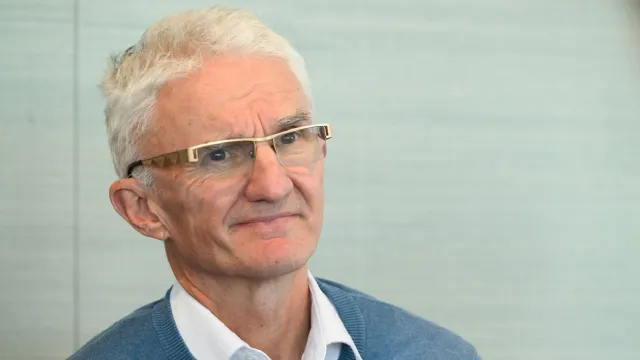
What do you work on as a Fellow of the Robert Bosch Academy?
In coming decades, relations between the continents of Europe and Africa will grow in prominence and importance. That is an inevitable consequence of geography, history, and language, which join us together in lasting ways. And social, economic, and demographic realities reinforce mutual interdependencies ever more clearly. Yet this is not reflected in today's international discourse or the priorities of policy makers on either continent. There are a number of reasons for that: wider geopolitical realties and domestic preoccupations crowd out the Europe-Africa agenda. And there’s a sense that recent attempts to strengthen partnerships have not delivered in the way hoped. This has led to disappointment and distrust, and that saps energy from efforts to realise strong relations. We want to explore what can be done to revive energy and enthusiasm – to the benefit of both Europe and Africa.
What are the biggest challenges in your field?
There are many but a big one relates to people movement. With Bert Koenders I want to explore the scope for more positive collaboration where all sides feel they can benefit in the broad-but-linked areas of labour, migration, and economic functioning. We have more to do to refine our work plan, but we observe that:
What has been your largest lesson learned in international development in recent years?
Things can get better! The twenty years from 1995 saw huge progress in reducing global poverty and increasing life expectancy in the poorest countries. That can continue if policy makers make better choices than they have over the last five years.
What insights for your work are you expecting to gain during your fellowship?
It is a huge privilege to have time to think and listen without being tied to specific products or results – and I’m hoping to hear all sorts of new things from new people. But what they will be is one of those famous known unknowns!
What makes Berlin and Germany relevant for your work?
Vast knowledge, experience and expertise; an openness to debate; and a rich network of think tanks and policy makers. What more could you want?