

"Perspectives on Arab & Global Philanthropy: Roles and Approaches"
Report of the Workshop @Academy
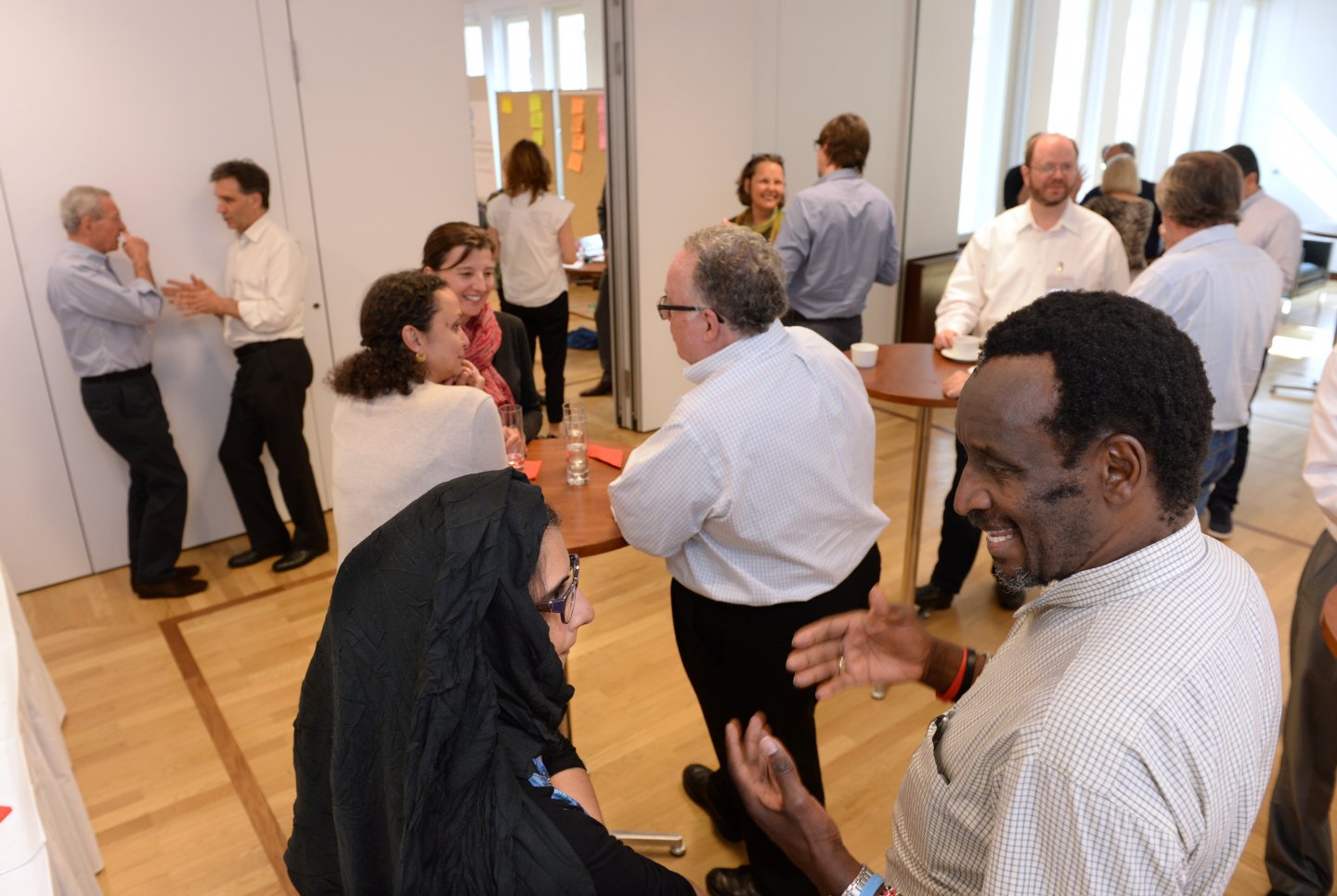
The challenges addressed by philanthropy are increasingly more complex and globalized. In addition to cooperation and partnership, which are key to successful handling of such challenges, effective strategies and actions must be shaped by local culture and values rather than simply copied from other regions. The new trends in philanthropy that are evolving and emerging are with no doubt rooted in local contexts but are also influenced by philanthropy in other regions. The reinforcement of this trend requires orchestration by all concerned to: a) document local practices, traditions and discourse, b) learn from and share local practices with other regions and countries, and c) share this knowledge with philanthropy organizations, donors and private social investors to enable effective strategic action and sustainable results. The process of identifying the emerging new Arab philanthropy discourse, anchored in its rich past of giving and its contemporary contextual elements, is under way and being linked to philanthropy in other regions around the globe.
From June 3 to June 4, 2015 the workshop “Perspectives on Arab & Global Philanthropy: Roles and Approaches” took place at the Robert Bosch Academy. During the workshop key philanthropy leaders from the Arab region, Africa, China, Latin America, Russia, Turkey, USA and various European countries identified ways to bridge philanthropic approaches to those in the Arab region and other regions. The meeting included sessions based on geographic and thematic focuses with specificities, similarities and diversity in mind. The results of the sessions are summarized in this report.