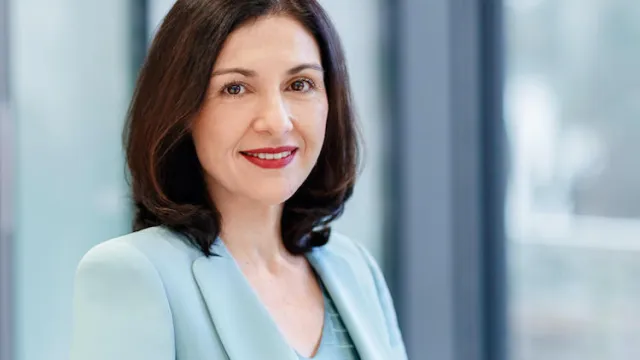
"Inequality is closely linked to other pressing challenges of our time such as technological change, the climate crisis, and migration. The Robert Bosch Stiftung is currently exploring how to contribute to reducing inequality through its activities. We focus on identifying and promoting effective systemic approaches to addressing inequality in both research and practice,” said Sandra Breka, member of the Board of Management of the Robert Bosch Stiftung, in her opening remarks.
-
Image
-
Image
-
Image
-
Image
-
Image
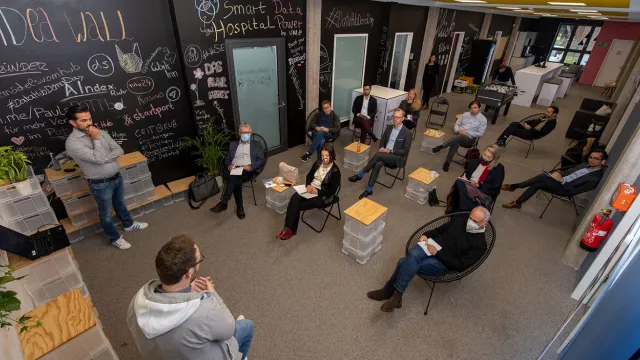
“The first university in the Ruhr area was founded in Bochum in 1962. Today the region has the densest concentration of universities in Europe. We’ve learned that the search for the new doesn’t always mean reinventing the old. We want to establish an infrastructure that serves the people, the arts, and start-ups." (Stephan Holthoff-Pförtner)
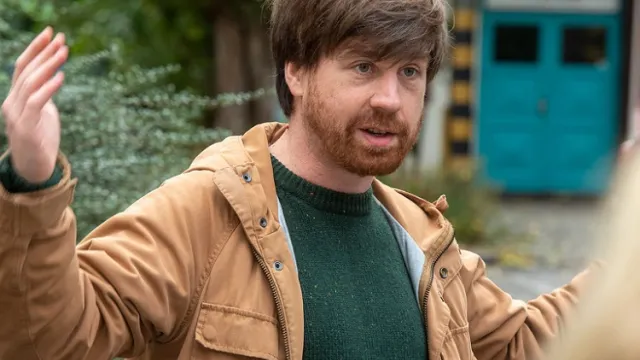
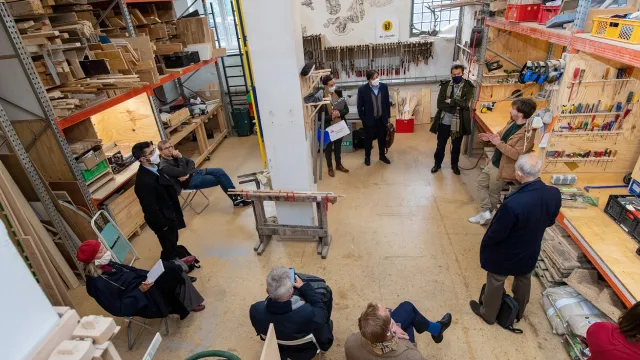
“The traditional connotation of art is that it is something elitist. We want to show the diversity of urban arts, especially those pursued by deprived groups in society. In addition, through our projects, we aim to bring people together who otherwise wouldn’t meet.” (Jan Bunse)
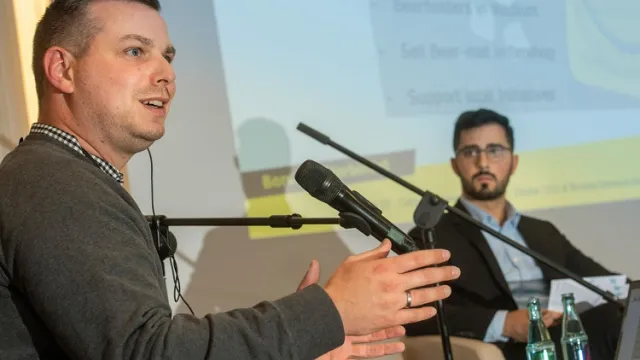
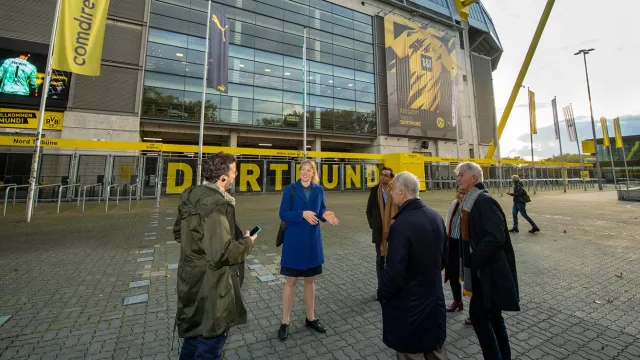
“The city and the region have a special relationship with football. If something happens in Dortmund, BVB is always there. That’s why we want to use the attractiveness of our brand to initiate important social debates and shape narratives – for example, through our visits to the Auschwitz concentration and extermination camp or through our beer mat campaign ‘No beer for racists!’” (Daniel Lörcher)
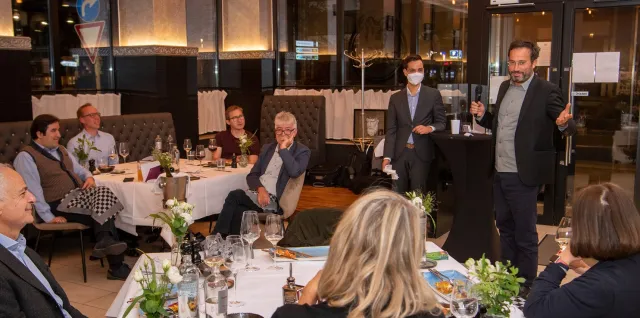
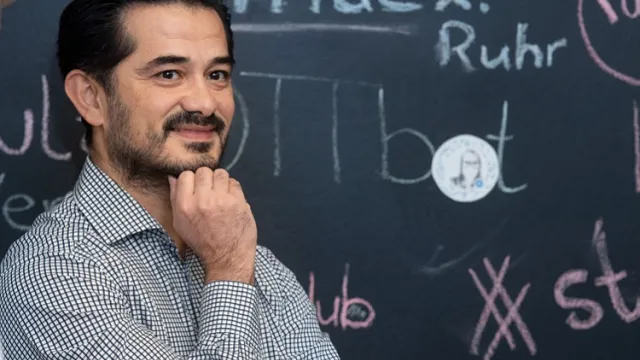
“The Ruhr area offers a unique ecosystem for company founders. The 22 universities with around 300,000 students provide a dynamic foundation. Added to this is the proximity to industry: thanks to the numerous companies, including ThyssenKrupp, Evonik, and Signal Iduna, the start-ups are close to their customers and investors.” (Ersin Üstün)
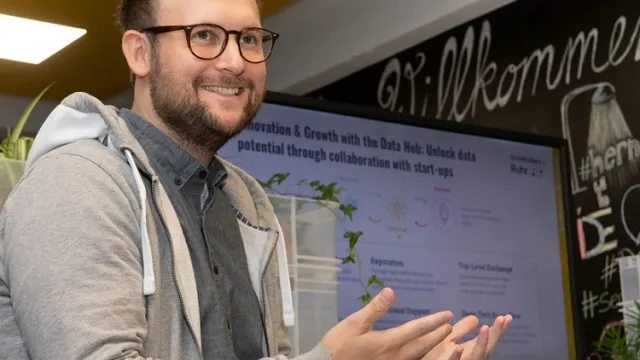
“Unfortunately, the Ruhr still has a negative image as a problem area. We want to show that it’s a region full of opportunity for young entrepreneurs with a broad variety of educational and cultural offerings that can be found almost nowhere else.” (Stefan Weber)
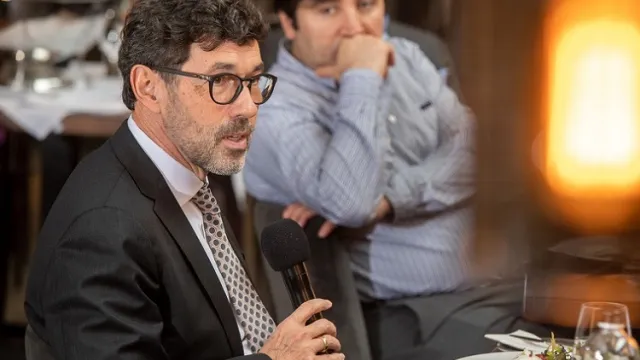
"The era of coal mining has come to a good end – an end that is dragging on, as the tasks and responsibilities of the industry for the environment and the people in the Ruhr area are designed to last for eternity." (Franz-Josef Wodopia)
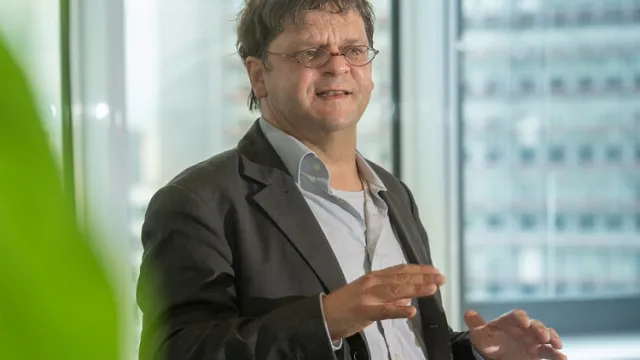
“Among young people, it’s now considered cool to be interested in politics. The biggest difference in the political interests of young people is due not to gender or migration background but to the social status. There is a clear structural gap.” (Mathias Albert)
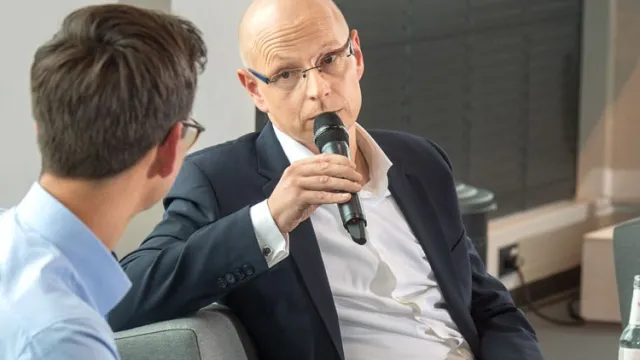
"In some large cities in the Ruhr area, up to 50 percent of children and adolescents live on welfare benefits. For that reason alone, many of these talented young people are severely disadvantaged, which makes a successful school career almost impossible and very challenging. The aim of the North Rhine-Westphalian approach to talent development involves supporting the development of talented people regardless of their socio-economic, family, or ethnic background. The North Rhine-Westphalian Center of Talent Development seeks and finds the talented individuals in this target group. We cannot allow ourselves to waste this great potential of talent socially or economically." (Frank Meetz)
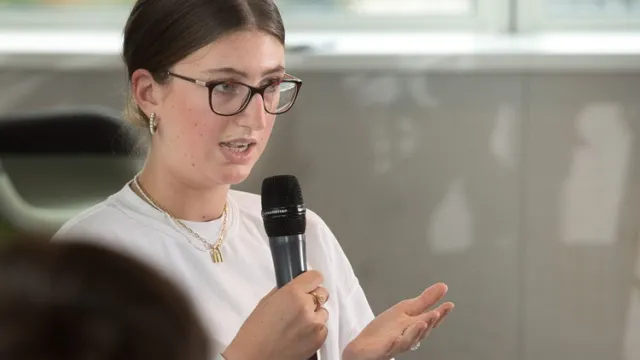
“Demonstrations give us a sense of empowerment, as we feel anxious and helpless when we think of climate change. Unfortunately, political decision-makers do not understand our fears and urgency. I don’t think they can initiate any substantial change.” (Lena Kah)
-
Image
-
Image
-
Image
-
Image
-
Image
“The parties don’t really have answers on which to base a voting decision in two important policy areas: the economy after the Corona pandemic and Germany's role in Europe and the world. Here they are either at a loss themselves - or their approaches hardly differ from each other.” (Ulf Buermeyer)