Introduction
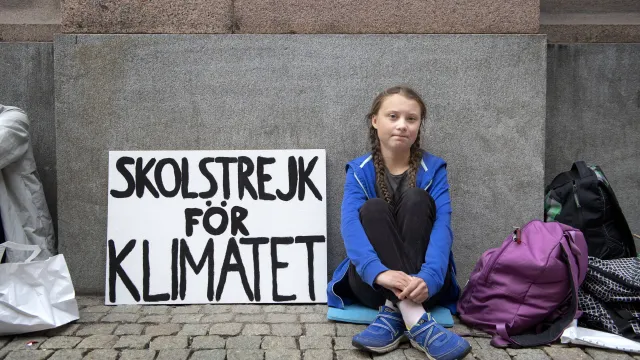
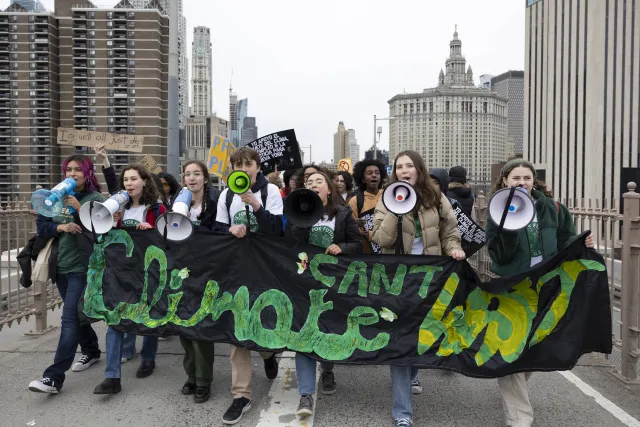
In 2011, the UNFCCC recognized YOUNGO as its official children and youth constituency, creating a structured space for young people aged roughly 15–35 to contribute to global climate negotiations. [1] At the same time, youth have long used informal pathways to speak up, from Severn Suzuki’s powerful address at the 1992 Earth Summit [2] to the Fridays for Future movement sparked by Greta Thunberg’s school strike. These moments show how formal and informal channels coexist and sometimes reinforce each other.
At the national level, youth are increasingly expected to be involved in developing Nationally Determined Contributions (NDCs) and National Adaptation Plans (NAPs), in line with calls for a whole-of-society approach.
Formal and informal mechanisms for engagement
Formal mechanisms
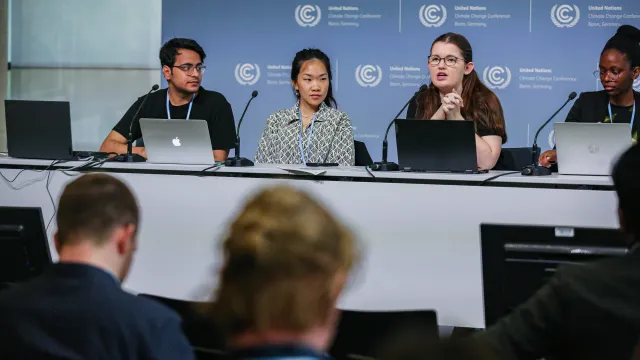
The formal mechanisms integrate youth into institutional processes. The recognition of YOUNGO by the UNFCCC opened specific avenues for youth to speak in official sessions, submit statements and observe negotiations. Youth observers do not negotiate text, but they bring youth perspectives into rooms where agenda-setting and framing occur.
Using these platforms effectively requires navigating a complex political environment. It is important for youth representatives to understand negotiation stages, identify where decisions are shaped, and recognize the interests and influence of different actors.
Informal mechanisms
Perceptions of youth
Youth as vulnerable
Youth as agents of change
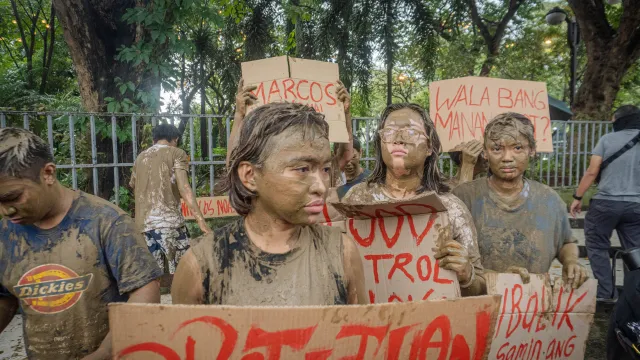
In contrast, youth are frequently presented as agents of change — innovators, community leaders, and drivers of transformation. Youth-led initiatives range from local adaptation projects to national advocacy campaigns and global coordination within the UNFCCC. Their ability to question established practices can bring new energy into climate governance.
However, being described as agents of change does not automatically translate into influence. Many youth initiatives depend on volunteer structures that are overstretched and underfunded. Access to mentorship, institutional allies, and spaces such as innovation hubs often determines whether ideas remain proposals or become sustained programs. The most impactful examples observed during the Fellowship were those in which institutions treated youth as genuine partners — sharing responsibility, resources, and accountability.
Balancing these two perceptions — recognizing structural vulnerabilities while supporting youth agency — is essential for designing policies that both protect and empower youth.
Pathways to enhancing youth engagement
Recognizing youth as a constituency is an important step. But for engagement to be meaningful, formal structures must be youth-friendly, accessible, and linked to local community networks to ensure information flows smoothly. Equally important is enabling informal engagement — offering safe spaces, resources, and continuity so that youth movements can mobilize sustainably and build trust beyond one-off consultations.
Effective participation depends on understanding how policymaking works. Youth benefit from learning how negotiation processes unfold, how different actors influence outcomes, and when strategic intervention is possible. During my Fellowship, I saw how mentorship and decision-making training can quickly transform motivated young people into confident advocates.
Young people thrive when they feel that their contributions matter. Creating inclusive environments for youth-led initiatives — spaces for co-creation, experimentation, and reflection — helps build skills, purpose, and long-term commitment. Policies should recognize volunteerism and support youth with practical resources that allow their ideas to grow.
Youth want to be listened to, not just heard. Policymakers can challenge perceptions of youth powerlessness by prioritizing youth-led initiatives and strengthening participatory dialogue. Better data on youth experiences helps ensure decisions respond to real needs rather than assumptions. When youth perspectives shape policy choices, engagement becomes authentic and lasting.