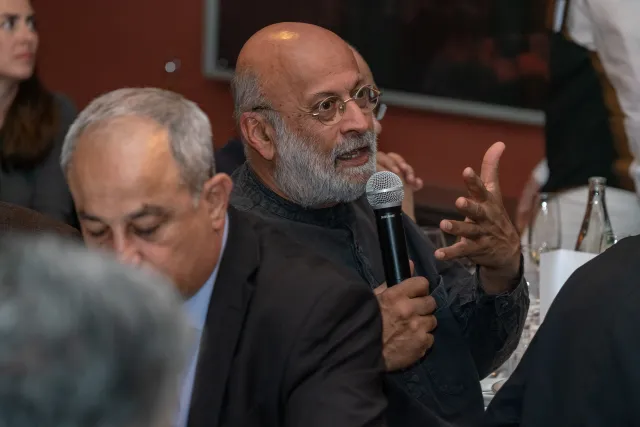
How important is culture in the struggle for freedom? In his keynote address at the annual Ken Saro-Wiwa Seminar of the Maynooth University, author, activist and Richard von Weizsäcker Fellow Firoze Manji draws parallels between the anti-colonial leader Amilcar Cabral and the writer and activist Ken Saro-Wiwa. Their writings inspired Manji to find answers, and to gain a deeper understanding for the continuities between colonialism and neocolonialism.
Read key note here (page 18)
Quarterly Perspectives
You could also be interested in
Mechanisms and Perceptions in Strengthening Youth in Climate Decision-Making
How can youth engagement in climate decision-making be strengthened? Drawing on conversations with youth advocates, policymakers, and scholars, Rose Ngugi analyzes formal and informal mechanisms of participation and outlines four key pathways to enhancing...
Overcoming Ethnic Profiling: Strategies for Addressing a Structural Injustice
Ethnic profiling, the practice of using race, ethnicity, or nationality as indicators of criminality or suspicion, is often seen as a measure for crime prevention and national security. However, studies indicate that such practices are not only ineffective...